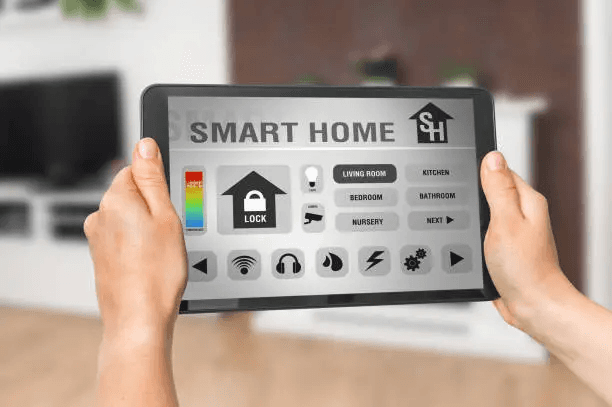
The Ultimate Guide to Smart Home Automation in 2025
Quick Summary
- Latest smart home trends for 2025 including AI-powered automation and enhanced interoperability
- Top-rated devices and their features with comprehensive cost comparisons
- Step-by-step setup guides for beginners and advanced users
- ROI analysis showing potential energy savings of up to 33% for fully automated homes
Why Smart Home Automation Matters in 2025
Smart home automation has evolved from a luxury novelty to an essential aspect of modern living. With the average household now managing over 25 connected devices (up from just 11 in 2021), the need for efficient, seamless automation has never been greater. Today's smart homes go beyond basic convenience to deliver meaningful improvements in energy efficiency, security, accessibility, and overall quality of life.
The most significant shift in 2025's smart home landscape is the transition from fragmented, device-specific systems to cohesive, intelligent ecosystems. Thanks to the widespread adoption of Matter and Thread protocols, today's smart homes can seamlessly integrate devices from multiple manufacturers, eliminating the compatibility headaches that plagued earlier adopters.

Key Benefits of Modern Home Automation
Enhanced Energy Efficiency
The latest smart thermostats and energy management systems can reduce heating and cooling costs by up to 33%, with AI algorithms that learn your habits and optimize accordingly. Recent studies show that fully automated homes consume 27% less electricity than conventional homes.
Advanced Security Integration
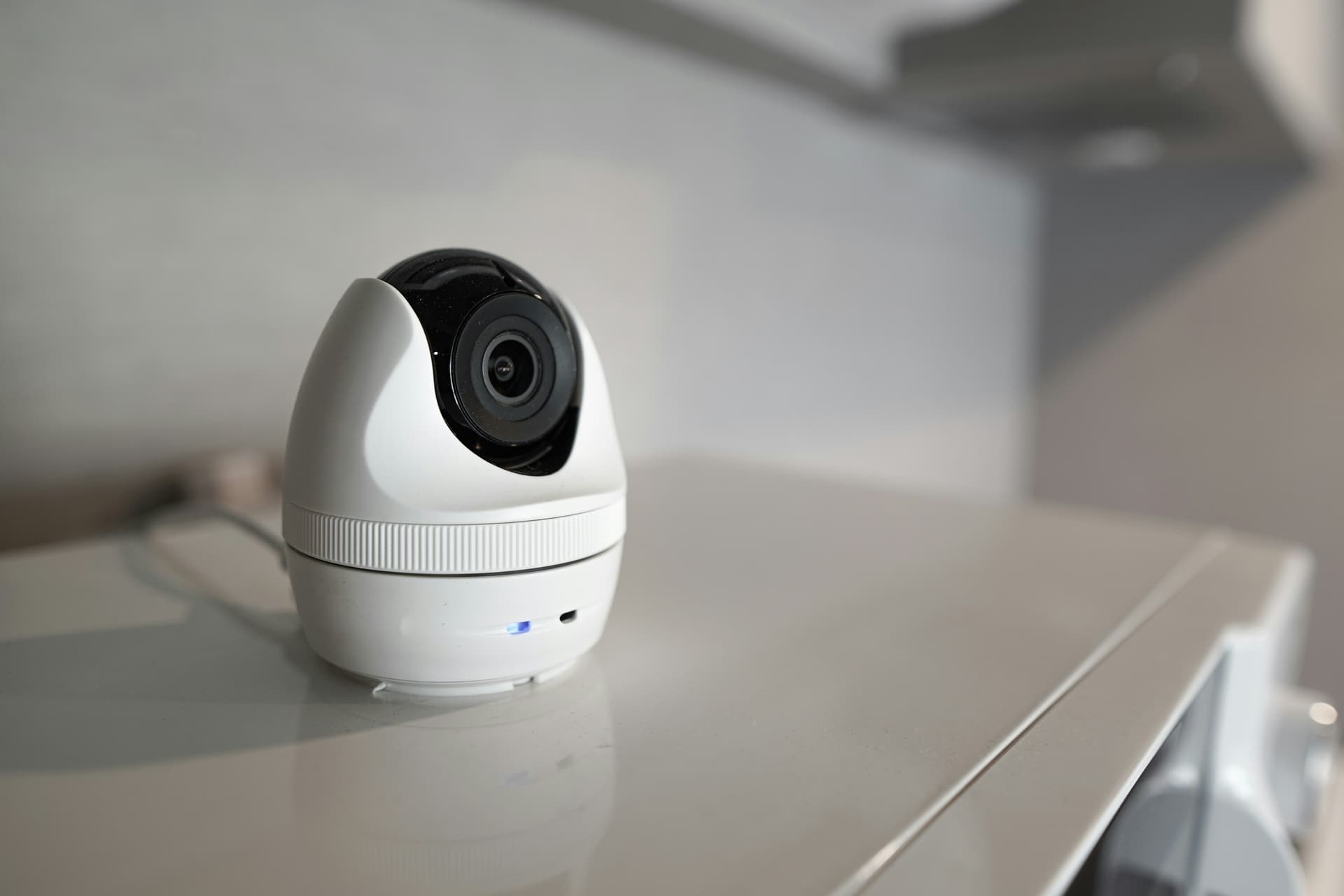
2025's security systems offer AI-powered threat detection, facial recognition with 99.8% accuracy, and seamless integration with emergency services. The newest doorbell cameras can distinguish between family members, friends, delivery personnel, and strangers.
Health and Wellness Monitoring
Smart homes now serve as passive health monitors, with ambient sensors tracking air quality, sleep patterns, and even detecting early signs of illness through behavioral changes. Integration with healthcare providers enables proactive intervention when needed.
2025's Must-Have Smart Home Technologies
This year's standout innovations bring unprecedented intelligence and capability to the connected home:
- Adaptive Lighting Systems: Beyond simple scheduling, these systems adjust color temperature and brightness based on time of day, weather conditions, and occupant activities to optimize both energy usage and circadian health.
- Multimodal Voice Assistants: Today's AI assistants understand context, remember conversation history, and respond to both voice and gestures, making interactions more natural and effective.
- Predictive Maintenance Systems: Smart appliances now monitor their own performance, detecting potential failures before they occur and automatically scheduling service or ordering replacement parts.
- Water Management: Smart water systems detect leaks, monitor usage patterns, and can shut off water supplies automatically to prevent damage, potentially saving thousands in repair costs.
Getting Started: A Strategic Approach
Beginning your smart home journey doesn't have to be overwhelming or expensive. The key is to start with a strong foundation that can be expanded over time:
- Choose a Central Hub: Select a Matter-compatible hub that supports multiple communication protocols (WiFi, Zigbee, Z-Wave, Thread) to ensure maximum compatibility with current and future devices.
- Prioritize High-Value Areas: Focus first on automated systems that provide immediate benefits in comfort, security, or energy savings – typically thermostats, lighting, and basic security.
- Plan for Expansion: Ensure your initial investments can integrate with future additions by selecting devices with open APIs and robust software update histories.
- Consider Professional Assessment: For larger homes or complex requirements, a professional consultation can help identify the most effective implementation strategy and avoid costly compatibility issues.
Remember that a thoughtfully planned, moderately-sized smart home system is far more valuable than a collection of disconnected "smart" devices that don't work together. Focus on creating seamless experiences rather than accumulating features.