How to Build Good Credit From Scratch or Rebuild It Smartly

Table of Contents
In today's world, your credit score can quietly shape your opportunities. Whether you're applying for a car loan, renting your first apartment, or even job hunting—yes, some employers check—it often boils down to a three-digit number. But what happens if you're starting from scratch or trying to climb back from past mistakes?
The good news is that credit isn't set in stone. With the right approach, you can build or rebuild your score and open doors to financial freedom. It doesn't require fancy tricks, but just consistency, patience, and smart habits.
Starting From Zero: It's Not as Bad as It Seems
Imagine trying to prove you're trustworthy without any track record. That's what having no credit history is like. Lenders can't see how you've handled money, so they get nervous.
But this "credit invisibility" is actually a blank canvas, and that can be a good thing. You have the chance to write a clean financial story from day one. The key is to start small and think long-term.
One of the easiest ways to begin is with a secured credit card. This type of card requires a deposit (usually $200–$500), which acts as your credit limit. You use the card just like a regular credit card, then pay off the balance on time. Over a few months, that positive history gets reported to the credit bureaus and starts shaping your score.

Another option is to become an authorized user on someone else's card. If a parent, spouse, or sibling has good credit habits, their history on that card can help boost your score without you needing to do much at all. Just make sure they actually pay their bills on time, or it could hurt you instead.
Fascinating Fact: Secured credit cards often graduate to unsecured cards after 6-12 months of responsible use, and you get your deposit back while keeping the same account history.
Rebuilding After Mistakes: It's About Strategy, Not Shame
If you've missed payments, defaulted on loans, or maxed out cards in the past, you might feel discouraged. But rebuilding credit isn't about punishment it's about proving change.
The first step is to face the past. Pull your credit report from AnnualCreditReport.com and look at every account listed. Are there old balances? Late payments? Any accounts in collections?
Once you know what's on your report, tackle what you can: Start paying down debt, contact creditors if you're behind to set up payment plans, and dispute any errors that don't belong there.
Snowball Method
Pay off the smallest debt first to build momentum and psychological wins. This method helps maintain motivation through quick victories.
Avalanche Method
Start with the highest interest rate to save more money in the long run. This method is mathematically optimal for minimizing total interest paid.
As your balances shrink and you make consistent payments, your score will start rising, often faster than you expect. Time doesn't erase the past overnight, but every on-time payment is a step forward.
Patience and Consistency: The Long Game of Credit
Good credit isn't built in a week. Your credit score is made up of several factors, and understanding them helps you prioritize your efforts effectively.
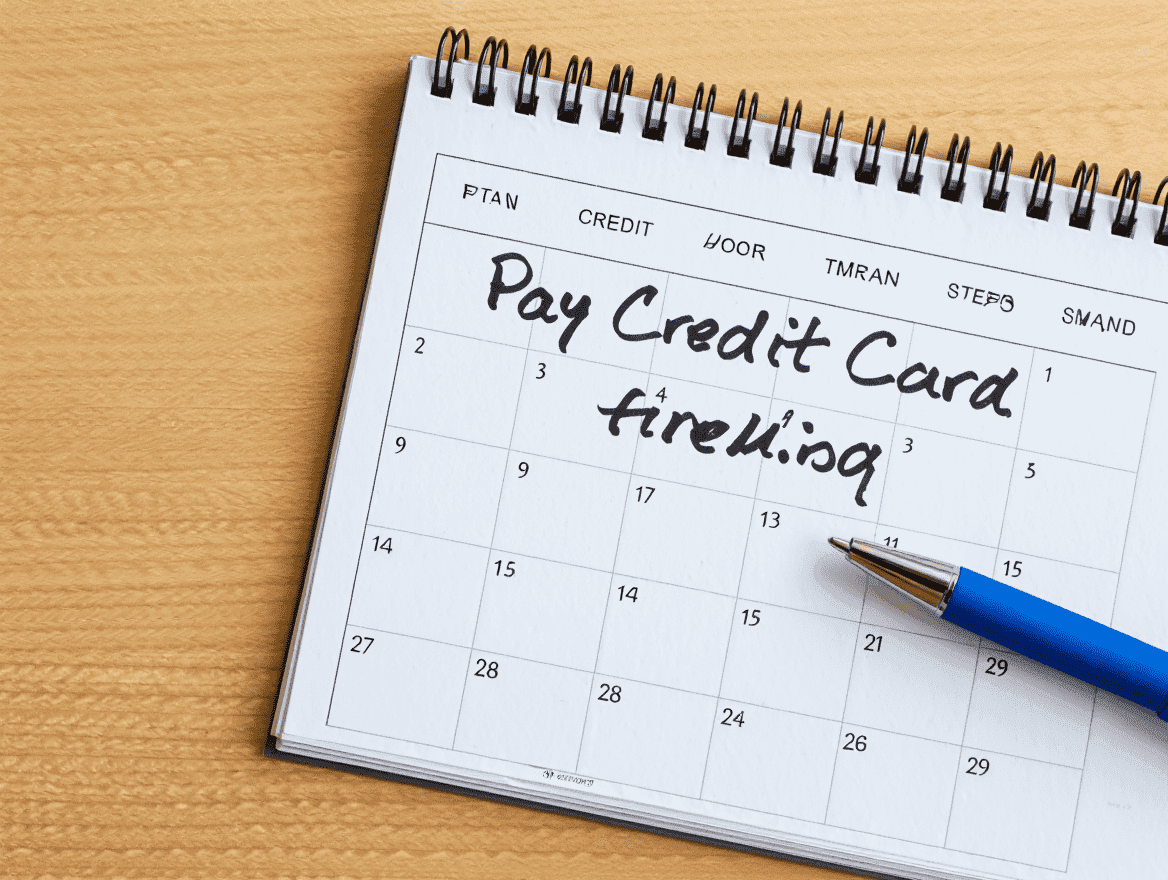
That's why your goal shouldn't be just to "boost your score fast," but to build habits that naturally lead to a better score. Set reminders to pay bills before they're due. Don't close old cards unless they charge you fees. Avoid applying for new credit too often.
Payment History (35%)
Do you pay on time? This is the most important factor affecting your credit score.
Credit Utilization (30%)
How much of your available credit are you using? Keep it below 30%, ideally under 10%.
Length of History (15%)
How long have you had credit? Longer histories generally help your score.
New Credit (10%)
Are you opening too many accounts? Multiple recent inquiries can lower your score.
Credit Mix (10%)
Do you have different types of credit? A mix of cards and loans can help.
Most importantly, don't spend just to "build credit." Use your card for things you already planned to buy, like groceries or gas, then pay it off in full.
Tools That Help (and Some That Hurt)
Apps like Credit Karma, Mint, or your bank's mobile app can help track your score and remind you of upcoming bills. Many of them also give you tips tailored to your profile.
However, be cautious with services that promise to fix your credit for a fee. Often, these are scams or charge you for things you can do yourself for free, like disputing errors or requesting goodwill adjustments.
There are also credit builder loans offered by community banks and fintech platforms. These are small installment loans where the lender holds the money in an account while you make monthly payments. Once the loan is paid, you get the money, and your payments get reported to credit bureaus, helping you build history.
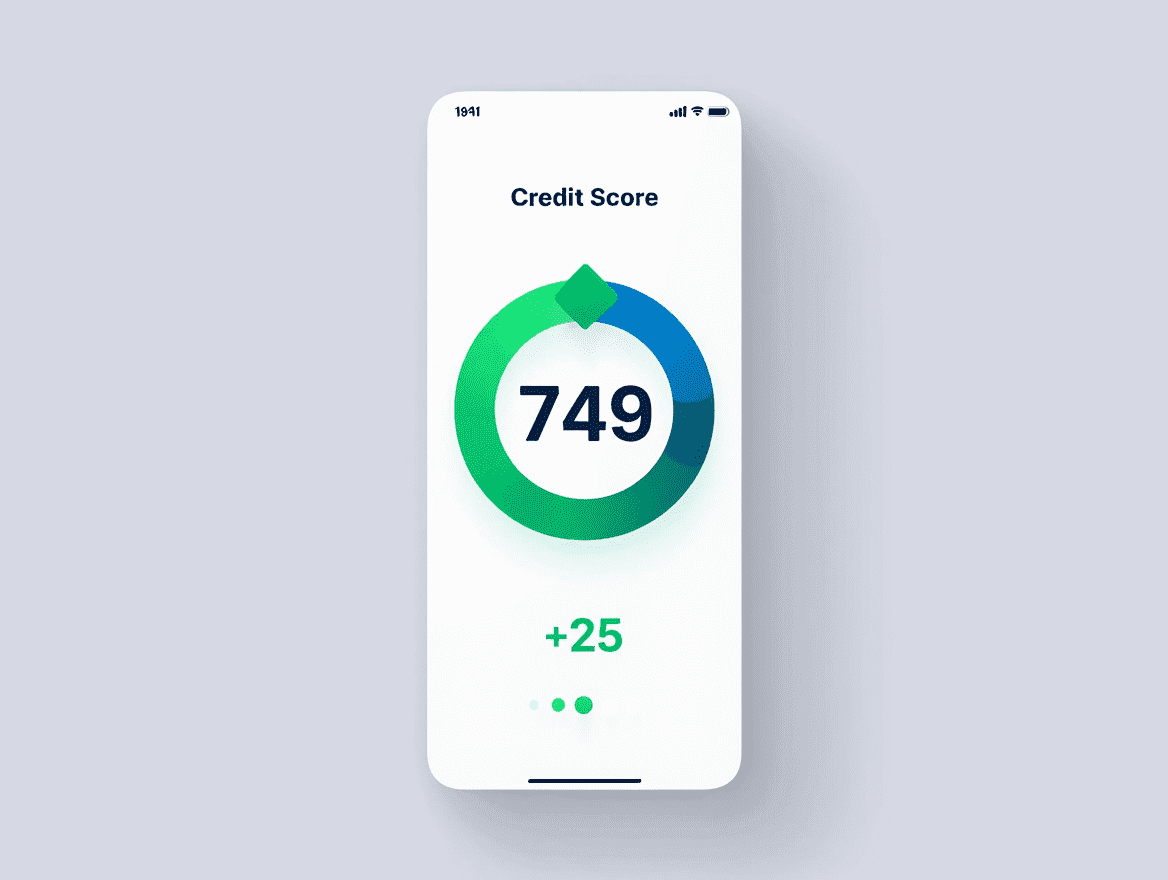
Important Warning: Don't obsess over your score every single day. It can fluctuate a few points here and there even if you're doing everything right. What matters is the trend over time.
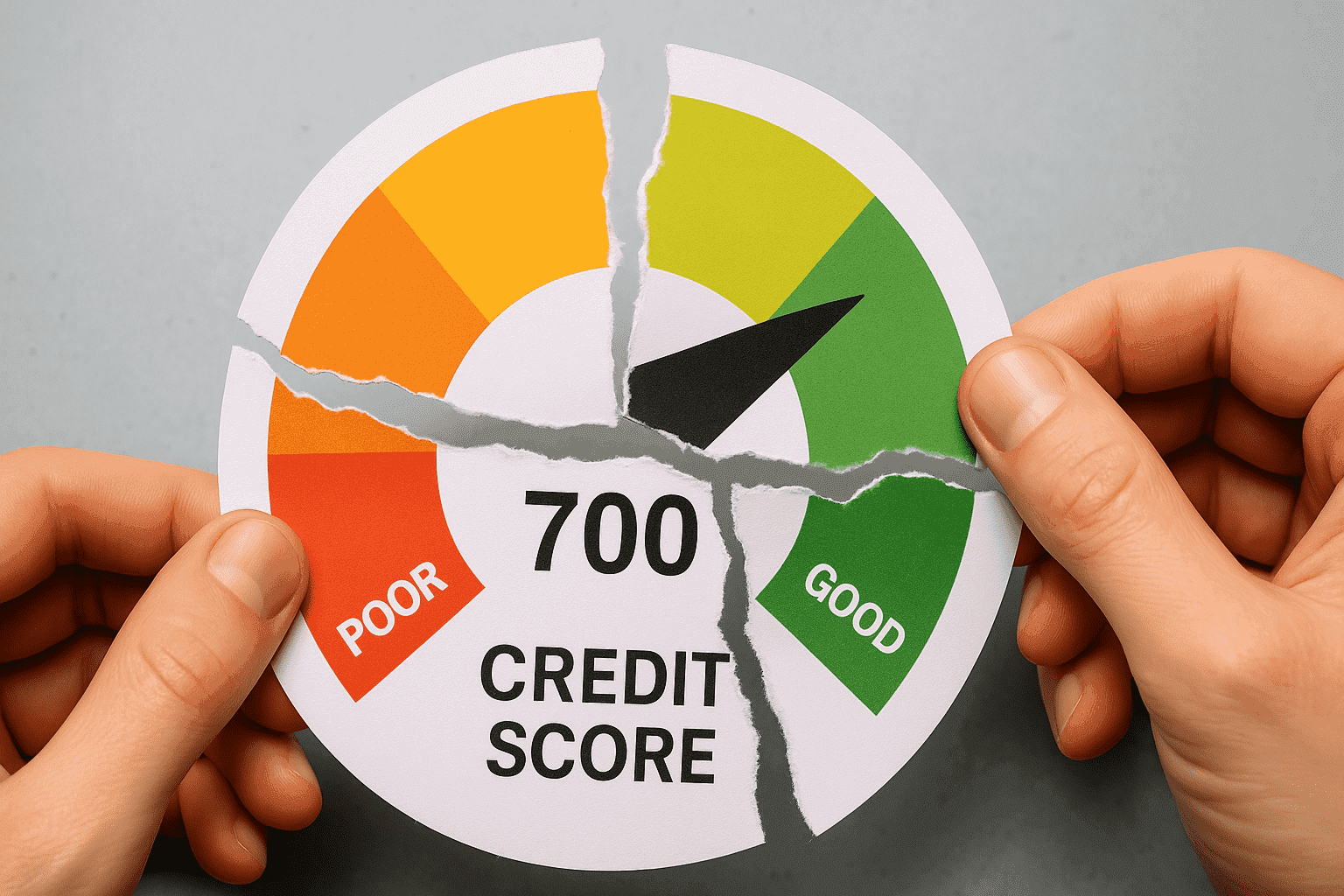
Don't panic if your score drops after opening a new credit card or paying off a loan. These are temporary changes. Instead of chasing perfection, focus on getting into the "good" range (above 700). That's where most of the best benefits kick in lower interest rates, easier approvals, and less financial stress.
Credit Is a Tool, Not a Personality Test
Whether you're just beginning or repairing the past, remember: a credit score is not your worth. It's just a number that reflects how consistently you've met financial obligations. And like any skill, credit can be learned.
Set small goals. Celebrate when you pay off a balance or see your score rise. Keep showing up with discipline and honesty. Over time, lenders, and your future self will take notice.
Building good credit opens doors to better interest rates, easier loan approvals, lower insurance premiums, and even better job prospects. It's an investment in your financial future that pays dividends for years to come.
The Journey Ahead
Remember that building credit is a marathon, not a sprint. Focus on consistent, responsible financial habits rather than quick fixes. Your future self will thank you for the foundation you're building today.
References
1. Consumer Financial Protection Bureau (CFPB) - Credit Reports and Scores comprehensive guide
2. Equifax - How to Build Credit from Scratch official guidelines
3. NerdWallet - How to Rebuild Credit step-by-step strategies
Important Considerations
Financial Education Disclaimer:This article is for educational purposes only and should not be considered personalized financial advice. Individual circumstances vary, and it's recommended to consult with a qualified financial advisor for personalized guidance.
Credit Monitoring:Always verify your credit reports from all three major bureaus (Experian, Equifax, and TransUnion) annually through the official AnnualCreditReport.com website for free.
Timeline Expectations:Credit building and repair take time. Positive changes typically appear within 1-3 months, but significant improvements may take 6-12 months or longer depending on your starting point and consistency.